Everyday cookware takes a beating. Between weekday breakfasts, hurried dinners, and those bold weekend feasts, pans are living on the core of the motion. When I reflect on toughness in the kitchen, I photograph scorched eggs scraped off with a spatula at 6 a.m., or a searing-scorching steak hitting the pan with a fulfilling sizzle. That’s why the Cookcell vs HexClad debate isn’t very nearly advertising and marketing claims - it’s approximately which pan stands up to truly-lifestyles cooking.
The Search for Tough Pans: What Durability Really Means
Durability, for such a lot dwelling house chefs, boils down to 3 matters: resistance to wear and tear, talent to care for performance over time, and minimal fuss in terms of care. Both Cookcell and HexClad market themselves as hybrid pans that bridge the space between nonstick comfort and stainless steel resilience. But how do their claims preserve up below day after day demands?
Through my possess use and chats with other domestic chefs who push their tools tough, I’ve come to comprehend that “long lasting” is extra than now not scratching unquestionably. It method the floor doesn’t degrade after months of high-warmth cooking. It capacity you can use metallic utensils with no cringing. And above all, it approach you don’t ought to baby your pans.
Hybrid Technology: The Basics Behind Both Brands
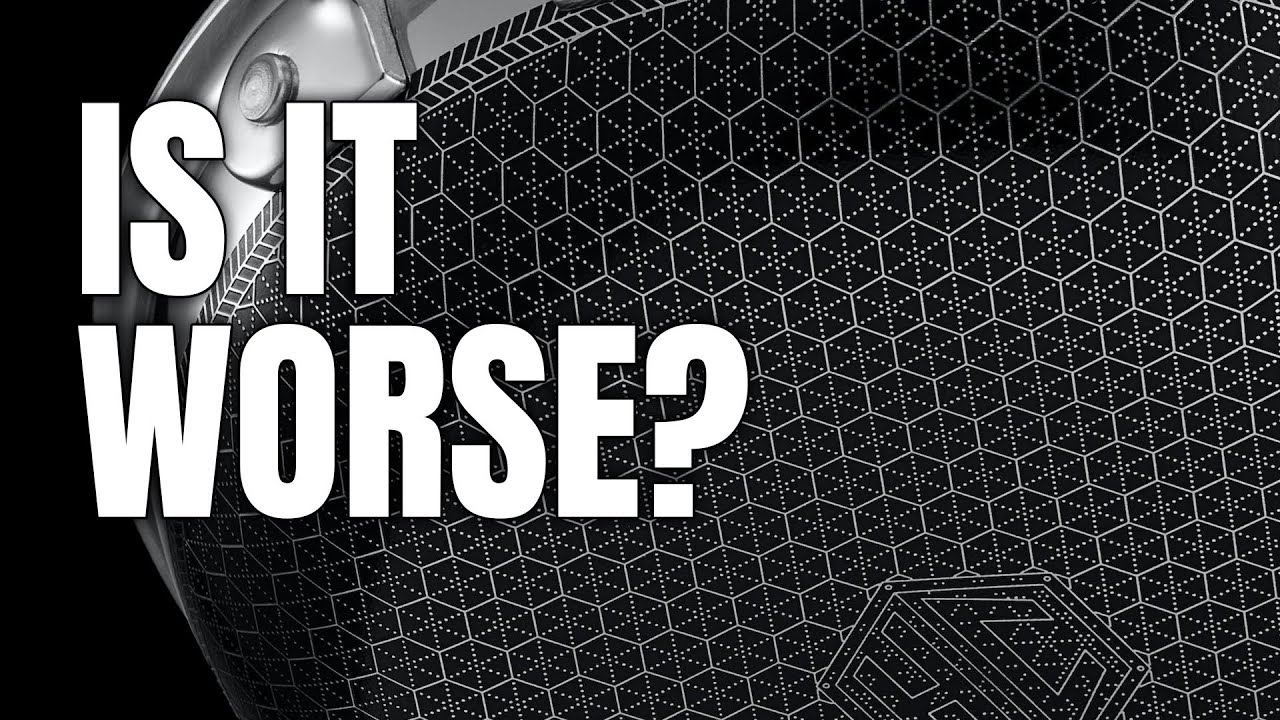
Both Cookcell and HexClad fuse layers of chrome steel and nonstick coating applying laser etching or similar approaches. This creates tiny honeycomb or hexagonal patterns on the cooking surface. The raised stainless protects the nonstick valleys from direct abrasion, letting you scrape with metallic spatulas or perhaps whisk sauces vigorously.
Here’s in which issues diverge:
- Cookcell uses a triple-layer system: stainless steel external for compatibility with all stovetops (including induction), an aluminum core for warmth conduction, and an inside layer that mixes stainless mesh with a PFOA-unfastened nonstick coating. HexClad touts its patented hexagonal etching as one of a kind in providing each searing ability and handy foodstuff launch, pairing a same sandwich creation but with its possess mixture of nonstick expertise.
Both promise oven security as much as 500°F (with lids mainly rated cut) and dishwasher compatibility - notwithstanding all of us who cherishes their cookware is aware hand washing occasionally extends existence.
Testing Real Durability: Hands-On Experiences
I’ve turned around both pans by using my kitchen over several months - eggs each and every morning, stir-fries diverse instances per week, grilled cheese for impatient children, pork chops on Sundays. Over time, specific strengths and weaknesses have become clean.
Surface Wear
With HexClad, I observed that initial slickness lasted properly past six months of consistent use. Scrambled eggs still slid out cleanly at month 8 with best a gentle trace left at the back of. Even after careless attacks with forks or tongs - convinced, generally we omit ourselves inside the rush - there have been no seen gouges across the etched pattern.
Cookcell performed in a similar way as a result of widespread abuse. After pretty much a year of heavy rotation (approximately four nutrients per week), the nonstick valleys confirmed a few dulling wherein bacon had crisped again and again or acidic tomato sauces simmered too long. However, there were no outright flakes or bald spots - just a mild patina of age you’d anticipate from honest use.
Handle Attachment & Warping
Pans that sense stable on day you may betray you months later if handles loosen or bases warp lower than high warmness. Both manufacturers connect handles as a result of strong rivets rather then spot welding; neither loosened all through trying out classes spanning pretty much a yr.
On glass cooktops infamous for revealing warped pans (they dance other than sitting flush), either Cookcell and HexClad stayed reliably flat even after repeated thermal shocks - directly from bloodless water rinse onto sizzling burners or vice versa.
Nonstick Longevity in Daily Life
Hybrid surfaces can lull you into considering they’re indestructible like solid iron yet friction nonetheless takes its toll over years instead of decades. My confidential benchmark is even if fried eggs can be coaxed free utilising purely gentle wrist action after six months with no additional oil.

HexClad saved acting here with no impressive loss of slipperiness using month ten. With Cookcell, I spotted around 9 months that some meals required an extra dab of butter when put next to day one – not anything dramatic yet sufficient for discerning chefs to word.
If you ordinarily prepare dinner sticky proteins like fish fillets or caramelize onions regularly at prime temps, predict either surface to darken somewhat over the years yet remain useful if wiped clean quickly after each and every use.
Cleaning Up: Dishwasher Claims vs Reality
While both manufacturers market it dishwasher safe practices (and technically stand up to cycles with out structural failure), revel in tells me placing any hybrid pan inside the dishwasher shortens its prime years.
In my house we run two hundreds day-after-day out of necessity so each pans obtained plenty of machine time alongside hand washing experiments:
- Hand washing preserves nonstick longevity fairly superior; warm water and mushy sponges eradicate maximum caught-on bits thanks to raised metallic patterns defensive underlying coating. Dishwasher cycles subsequently dulled equally surfaces’ shine however brought about no chipping or warping.
That suggested, burnt sugar from botched caramel assessments clung stubbornly even with cleaning components – neither logo is immune if anything certainly carbonizes onto the pan.
Stovetop Versatility: Induction & High Heat Handling
These days many kitchens combine gasoline burners with induction tops or transportable sizzling plates so excellent toughness incorporates adaptability across warmth sources.
HexClad advertises full induction compatibility; this checked out constantly on my moveable induction burner wherein more affordable disks on occasion stutter or buzz because of the negative touch. Searing steaks on max vigor produced even browning area-to-part with out bloodless spots detected utilising IR thermometers.
Cookcell matched this overall performance closely but heated fractionally slower owing in all probability to delicate adjustments in center thickness (aluminum gauge varies by way of form line). Both tolerated immediate differences in temperature devoid of base distortion - principal once you ever deglaze sizzling pans immediately less than jogging water mid-recipe as I ordinarilly do at some point of frantic dinner rushes.
How They Compare Under Pressure: A Side-with the aid of-Side Table
Sometimes numbers inform testimonies prose should not seize on my own:
| Feature | Cookcell | HexClad | |------------------------|-----------------------------------|----------------------------------| | Construction | Tri-ply: SS ext., Al core | Tri-ply: SS ext., Al center | | Surface Pattern | Honeycomb mesh | Hexagonal etch | | Nonstick Type | PFOA-unfastened hybrid | Proprietary hybrid | | Oven Safe Temp | Up to 500°F | Up to 500°F | | Induction Compatible | Yes | Yes | | Dishwasher Safe | Yes (hand wash standard) | Yes (hand wash desired) | | Metal Utensil Safe | Yes | Yes | | Warranty | Limited lifetime | Limited lifetime |
SS = Stainless Steel; Al = Aluminum Core
Price vs Value Over Time
At first glance the two strains show up high priced compared to effortless nonstick services at gigantic container outlets - usually starting from $100 up in line with skillet relying on length and shop promotions. But settlement-in line with-year paints yet one more snapshot while factoring sturdiness:
A reasonable Teflon skillet would possibly closing 18-24 months in the past flaking turns into an thing if used every day; spending $30 each and every two years adds up simply while you rely upon responsible results for domestic foods night after evening.
By comparison my oldest hybrid pan has crossed four years with in simple terms minor drop-off in overall performance - permit’s say $a hundred and twenty divided with the aid of four presents $30 in step with year plus much less landfill waste alongside the manner. For severe home chefs who magnitude consistency greater than novelty objects crowding cabinets unused, this math starts offevolved making feel instant.
Trade-offs & Edge Cases Worth Considering
https://beckettjiha664.raidersfanteamshop.com/battle-of-the-hybrid-cookware-cookcell-vs-hexclad-compared-1No pan is applicable for each and every consumer or situation:
For those that prioritize featherweight skillets with the aid of arthritis or wrist anguish, both Cookcell and HexClad are rather heavier than vintage aluminum nonsticks (sometimes 2-3 pounds every single for an eight-inch sort). Their heft facilitates continue heat yet might fatigue a few clients all through extended saute periods.
If absolute stick-resistance is your superior priority—say you are flipping dozens of crepes on daily basis—standard ceramic coatings nonetheless outperform hybrids in the time of their temporary window of top slickness…yet they burn out some distance sooner whilst faced with steel instruments or dishwashers.
On open flame grills exterior neither hybrid fares distinctly in addition to solid iron does opposed to errant flare-ups; exposed coatings will at last degrade if hit by means of flames straight away rather then controlled stovetop burners interior.
And while ads coach chefs scraping away merrily with forks and knives correct in the pan, ordinary tough coping with will nevertheless speed up aging when compared to picket utensils—even hybrids aren’t magic shields against all forms of abuse over decades-long timelines!
Anecdotes from Real Kitchens
A chum who runs a weekly meal-prep business swears by way of her set of HexClads after burning by using 0.5-a-dozen typical nonsticks each one year prior; she credits their resilience now not just to more advantageous supplies yet also more straightforward cleanup among marathon periods while every minute counts.
Meanwhile my sister-in-regulation inherited her mom’s Cookcell skillet—the one used religiously every Sunday morning—and says it nonetheless fries bacon lightly inspite of being “older than her marriage.” She did notice though that her teenage son managed to scorch it black as soon as all the way through an unattended popcorn scan…but after soaking in a single day it back basically unscathed excluding beauty darkening close the rim.
These reports underscore what lab exams can’t continuously expect: proper-global blunders tolerance matters while comparing actual kitchen longevity.
Which One Wins? Context is Everything
The query isn’t which emblem wins universally—it’s which aligns leading together with your factual behavior:
If your family expects immaculate surfaces 12 months-circular even when childrens support prepare dinner unsupervised (read: rather a lot of dropped utensils), both collection will serve higher than good deal-bin Teflon yet may also in the end expand character marks reflective of demanding use instead of defects consistent with se.
For those craving maximum lifespan paired with flexibility across all innovative cooktops—which includes induction—and who don’t mind making an investment upfront for peace-of-mind warranties subsidized by way of responsive customer service teams (the two corporations scored smartly the following in my experience), either preference stands tall between opponents true now in terms of balancing longevity against convenience aspects like basic launch and straightforward cleansing exercises.
Below is a instant-reference tick list summarizing key takeaways:
Five Questions Before You Buy Either Pan
Do you prepare dinner all the time at excessive warm? Is induction compatibility very important? Will a couple of laborers use those pans—which include youngsters? Are you devoted at hand washing maximum nights? Does weight remember headquartered on grip capability?If your answers lean in the direction of sure throughout these questions then both Cookcell or HexClad represents an ideally suited investment most likely outlasting traditional branch-keep possibilities through several years—with much less threat of shock failures mid-meal prep along the manner.
Final Thoughts From Countless Meals In
After enormous quantities of ingredients cooked part-by means of-edge utilizing each brands—from weekday scrambles made bleary-eyed previously dawn accurate by using intricate braises requiring hours on low flame—I accept as true with both pan beneath my favored recipes a ways extra than the rest obtained strictly on fee by myself in years prior.
For generic cooks who favor legit consequences with no consistent substitute schedules—and whose kitchens demand tools tricky ample for kin chaos but subtle adequate for dinner parties—either Cookcell or HexClad earns its location amongst easily sturdy cookware worth considering the fact that significantly subsequent time your vintage well-liked lastly supplies out less than drive.